.png)
Mammogram Guide: What to Expect and When to Get One
The word mammogram can bring up a lot of questions. Does it hurt? When should you get one? And what happens if the results are abnormal?
Understanding breast screening can help you feel more prepared and make informed decisions about your health. Here’s what you should know about mammograms, from your first appointment to understanding the results.
What Is a Mammogram?
A mammogram is an X-ray of the breast used to look for signs of breast cancer. It can detect some cancers before they become large enough to feel or cause noticeable symptoms.
There are two main reasons for having one: screening mammograms, for people without breast symptoms, and diagnostic mammograms, which help investigate a symptom or an unusual finding.
What Happens During a Mammogram?
If it’s your first mammogram, knowing what to expect can make the experience less intimidating.
You’ll be asked to undress from the waist up in a private area.
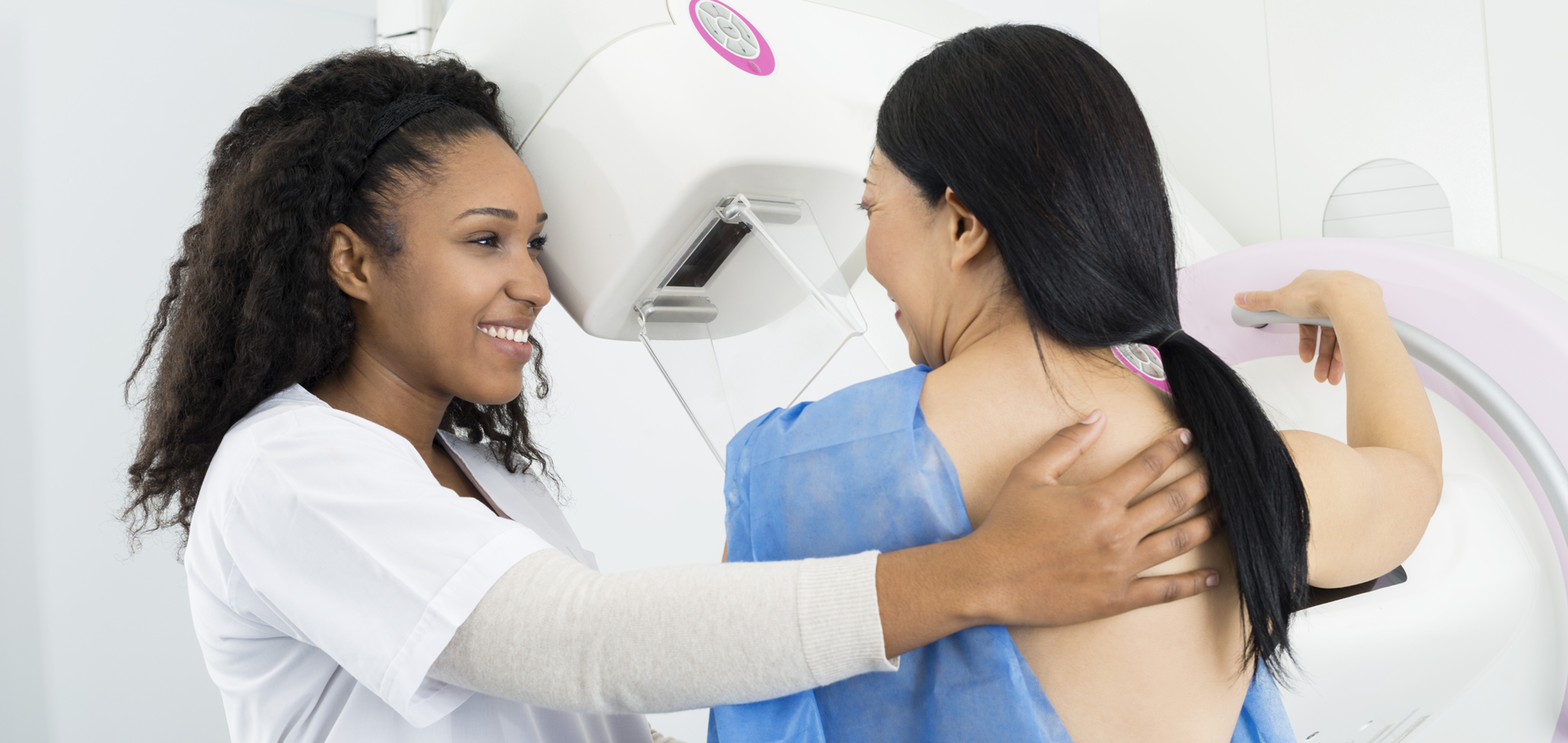
A trained technician will position your breast on the mammogram machine.
The breast is briefly compressed between two plates to obtain clear X-ray images.
Images are taken of both breasts, and the appointment usually takes around 30 minutes in total.
The compression may feel uncomfortable or painful for a short time. You can tell the technician if you’re nervous or uncomfortable and ask questions throughout the appointment.
Does a Mammogram Hurt?
It can feel uncomfortable, but the experience varies from person to person. The pressure is necessary to obtain clear images, and it lasts only a short time.
If your breasts tend to feel tender before or during your period, ask the screening centre whether scheduling your appointment at another point in your cycle may help.
At What Age Should You Get a Mammogram?
There is no single screening schedule that applies to everyone. Recommendations vary by country, age, family history and personal risk.
For example, US guidance recommends screening mammograms every two years for women aged 40–74 at average risk. Other countries follow different screening programmes.
Speak to a healthcare professional about when to start and how often to screen, especially if you have a strong family history of breast or ovarian cancer.
Important: If you notice a new breast lump, nipple change or another unusual symptom, seek medical advice rather than waiting until you reach the recommended screening age or your next appointment.
What Does an Abnormal Mammogram Result Mean?
An abnormal result does not automatically mean you have breast cancer.
Sometimes, the images show an area that needs a closer look. You may be asked to return for additional mammogram images, an ultrasound or, in some cases, a biopsy.
Waiting for further tests can feel worrying, but these tests help doctors understand what the images show. Many people who are called back for further assessment do not have breast cancer.
Frequently Asked Questions About Mammograms
1. How long does a mammogram take?
The appointment usually takes around 30 minutes, although the actual X-ray images take only a few minutes.
2. Can I get a mammogram if I have no symptoms?
Yes. Screening mammograms are intended to look for signs of breast cancer before symptoms appear. Your healthcare professional can advise whether screening is appropriate for you.
3. Do I need to do anything before a mammogram?
Wear clothing that is easy to remove from the waist up. Avoid deodorant, powders and lotions around the breasts and underarms on the day, as some products can affect the images. Follow any specific instructions from your screening centre.
4. Does a normal mammogram mean I will never get breast cancer?
No. A normal result means no suspicious signs were identified on that examination. Continue following your recommended screening schedule and seek medical advice if you notice new symptoms.
5. Is a mammogram the same as a breast self-check?
No. A mammogram uses X-rays to examine breast tissue, while breast self-awareness means being familiar with your breasts and noticing changes. Neither should be treated as a replacement for medical assessment when symptoms appear.
Make Space for Conversations About Breast Health
Questions about breast health deserve open, judgement-free conversations. Learning about screening, sharing experiences and asking questions can help women feel more informed about their health.
At Diva’Me, we believe conversations around women's health should feel normal, not uncomfortable. Join the discussion on Diva’Me ChitChat and be part of a community where women can share, learn and support one another.
Know your options. Ask questions. Take your breast health seriously.
Medical note: This article is for general educational purposes and is not a substitute for personalised medical advice.

Comments